


Why Samsung Should Take the Arrival of the iPhone Duo Seriously
Listen to this article
Read aloud by your browser. No audio file is downloaded.
Spoken by your browser. This is not a recorded audio file. The time shown is an estimate.
If you are deciding now, keep iPhone Duo in view before the price or the spec sheet.
For several years, Samsung held a particular place in foldable smartphones. The brand took the risk of investing early in a format that was still experimental, then improved its devices step by step.
In September 2026, the situation changes with the official arrival of the iPhone Duo. This launch is not only about a new model. It can also change how the general public sees foldable phones, and move the competition onto ground where Samsung’s historical lead is no longer enough on its own.
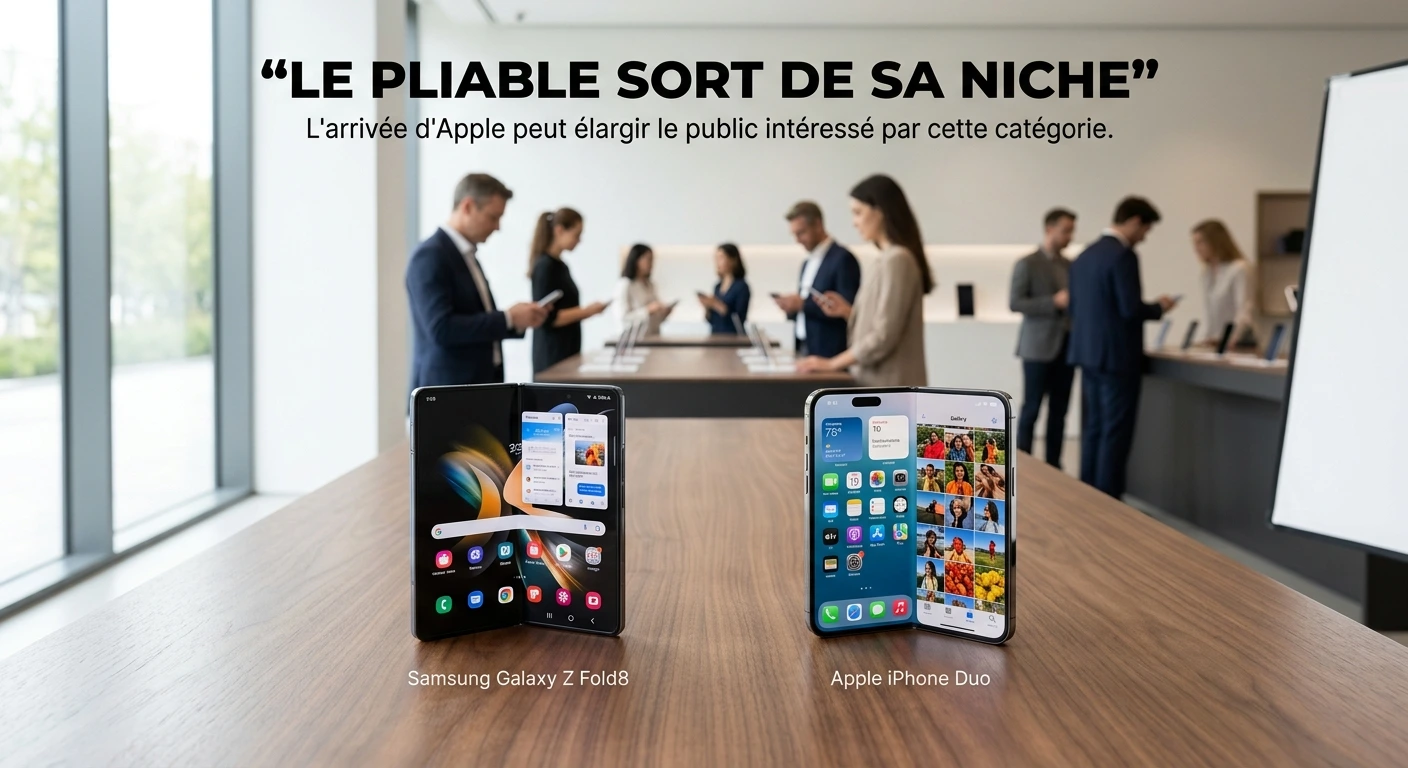
Samsung is no longer alone in defining the premium foldable
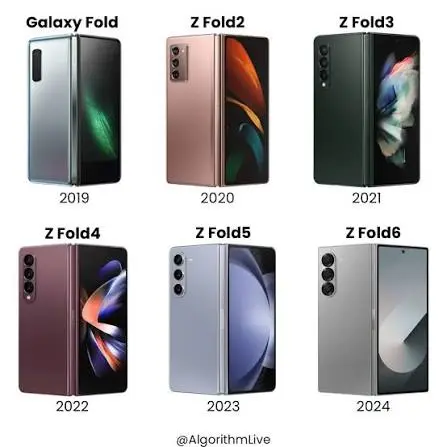
When Samsung launched its first Galaxy Fold phones, the market was still seen as a technological curiosity.
Today, the foldable has become a recognized category. Apple’s arrival means an audience that had ignored this technology will now hear about it through the iPhone.
Apple can help turn a niche technology into a mainstream subject by putting it directly in its main lineup.
Apple arrives with a very Apple approach
The iPhone Duo does not simply try to reproduce a Galaxy Fold concept under iOS. Apple is working on the transition between the outer screen and the inner screen, on an adapted interface, and on integration with its ecosystem.
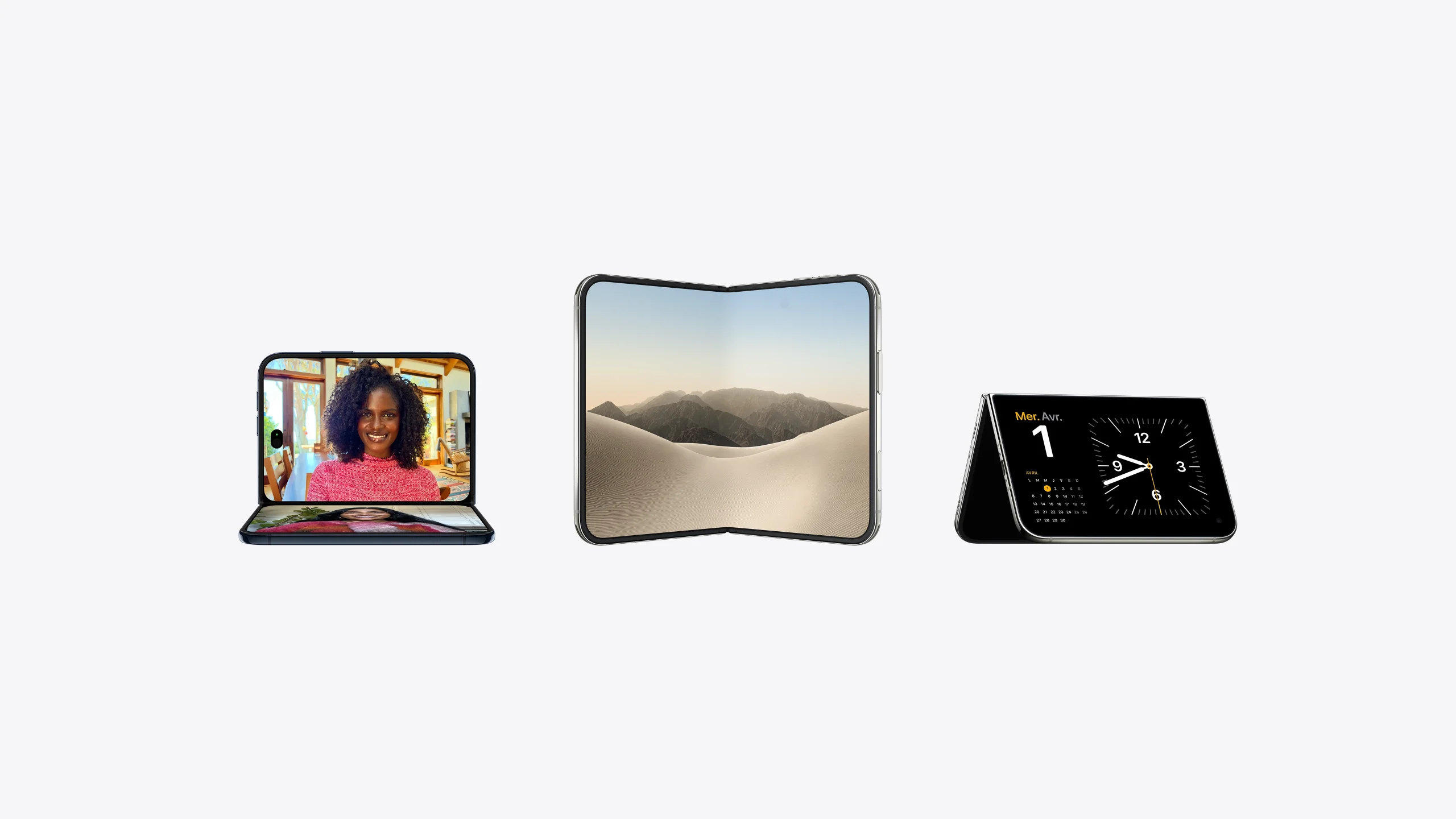
The hardware still matters, but the promise also rests on consistency across the iPhone, the iPad, the Mac, the Apple Watch, and Apple’s services.
That integration can make the competition more complex than a simple comparison of specifications.
Price is not enough to set the two brands apart
Both devices are priced at the very top of the range. The Duo starts at 1,999 dollars in the United States, while the Galaxy Z Fold8 starts lower on the American market.
That gap puts pressure on Apple, but it does not remove the stakes for Samsung. At this price, buyers expect a complete experience.
| Element | What is at stake |
|---|---|
| Design | Shape, thinness, and how it feels in the hand |
| Software | Real use of the foldable format |
| Camera | Everyday quality and versatility |
| Battery life | Ability to support intensive use |
| Durability | Durability and confidence in the foldable format |
Samsung still has strengths that are hard to copy
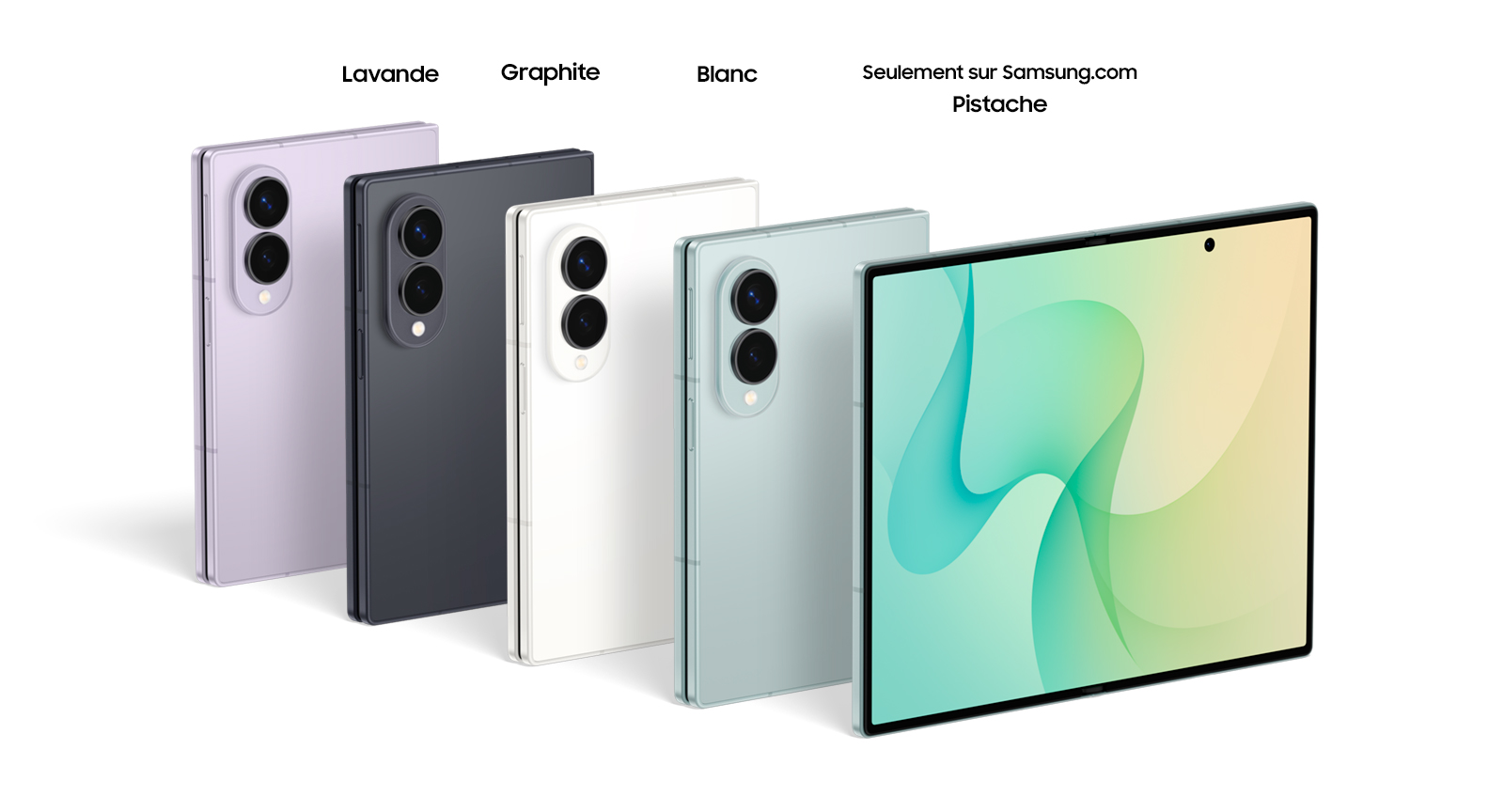
Samsung has a concrete advantage: accumulated experience.
The Fold range has let the brand see how people open their phone, which apps are actually useful on a large screen, and the constraints that appear after several years of use.
Samsung also benefits from a broad Android ecosystem and a strong presence in the premium segment.
The battle will move toward software
The next competitive ground will probably be less spectacular than a new hinge. It will be mostly about the interface and the practical use of the large screen.
The transition between screens
How an app moves from the outer screen to the inner screen becomes an essential part of a foldable phone’s experience.
How windows are organized
Using a large screen should let people work with several apps without making the phone unnecessarily complicated.
Productivity
Apple can use its tight control of iOS and Apple devices. Samsung, for its part, can keep developing productivity and multitasking features.
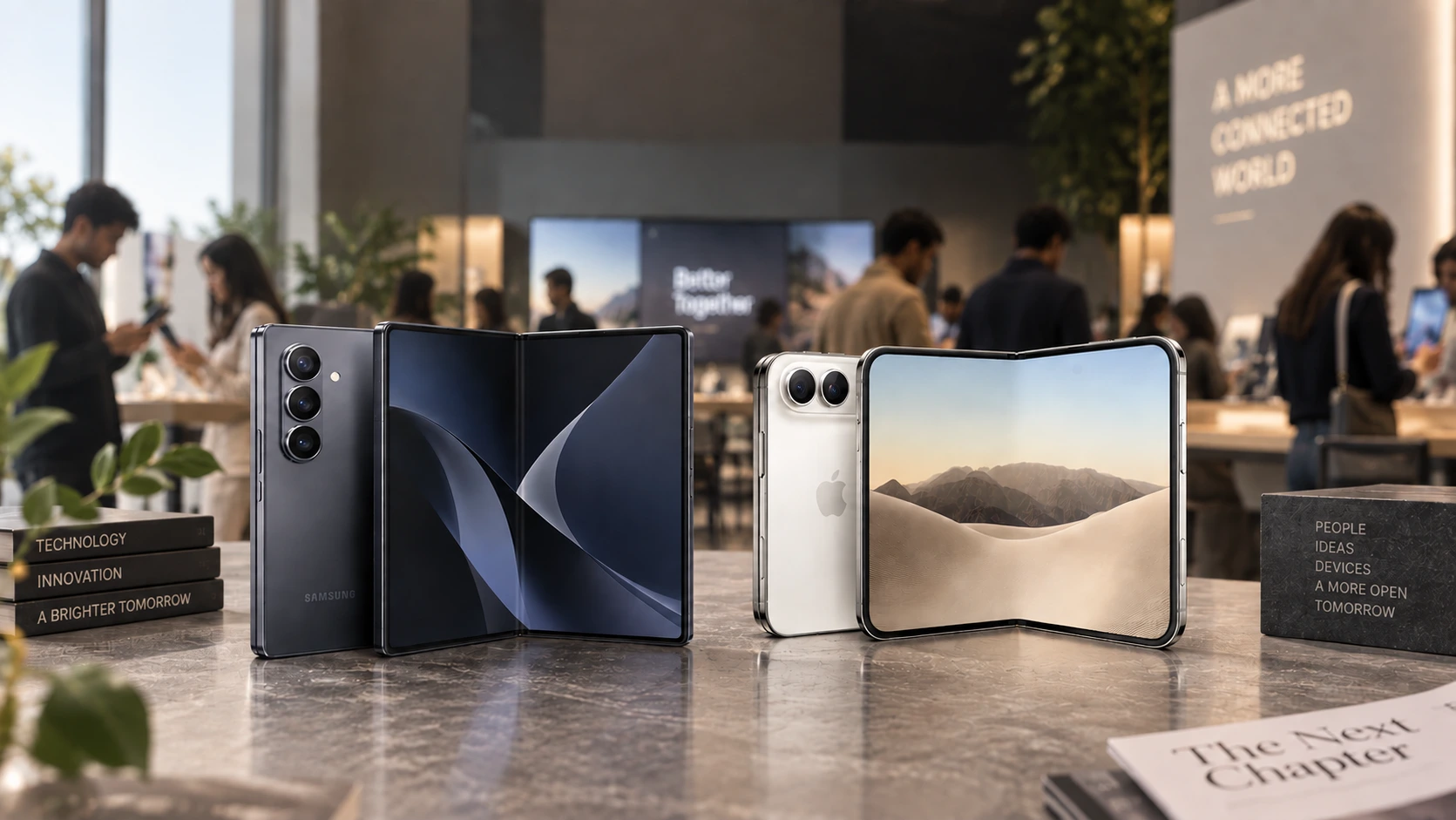
Apple’s effect on the general public

A foldable iPhone can also change how the general public talks about this category.
Until now, buying a foldable phone often meant accepting a different kind of technology. With the Duo, the idea is easier to explain: it is an iPhone that opens to give you more space.
That way of describing it can widen interest in the whole category, including for Samsung.
It can also raise what users expect for thinness, durability, the crease, and app quality.
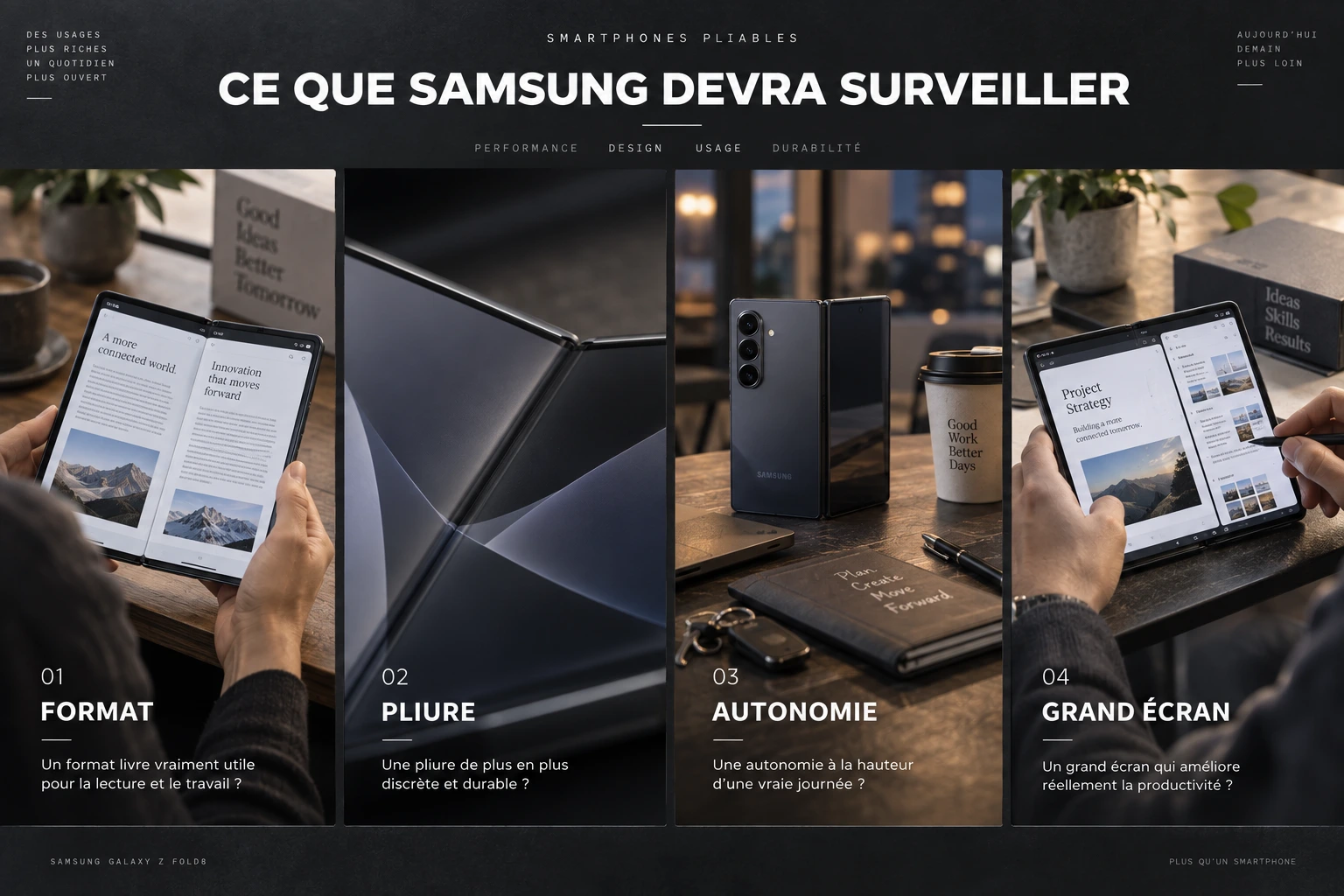
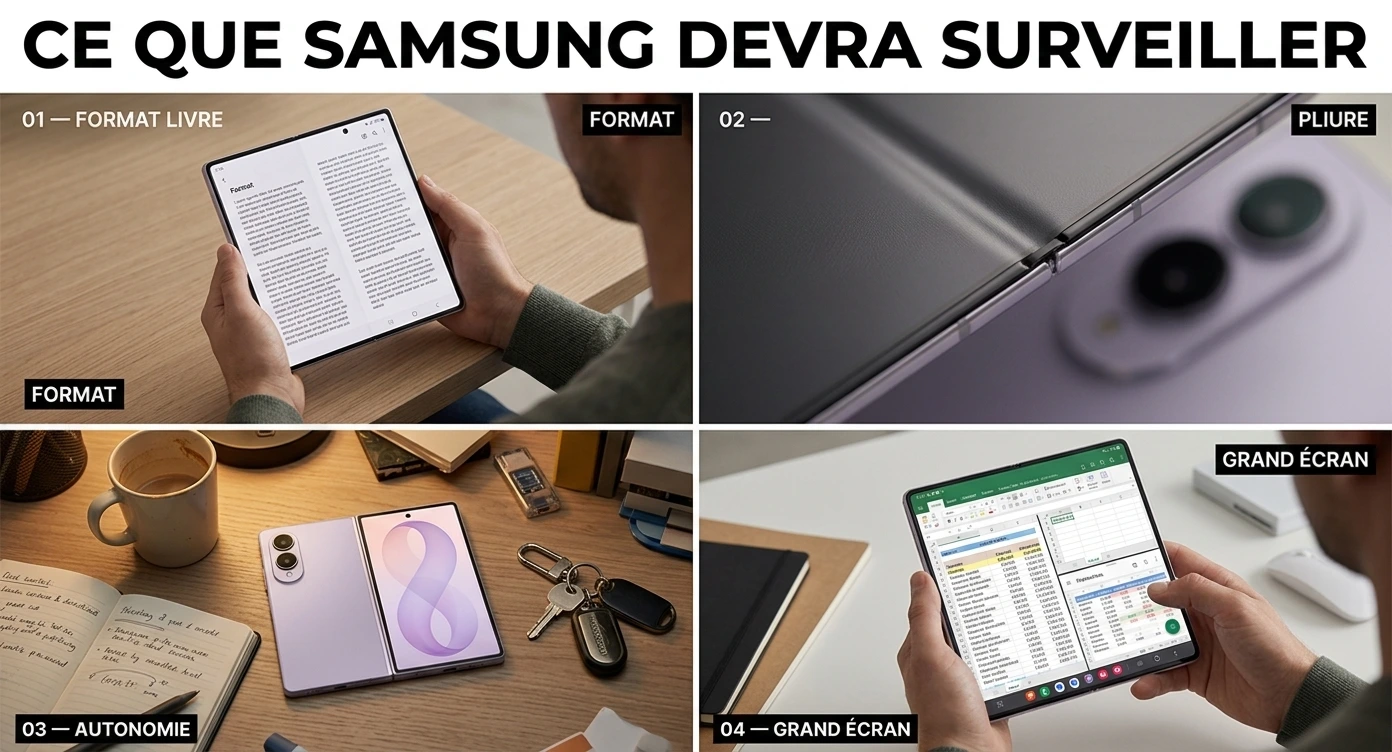
What Samsung will need to watch
Several indicators will show how the market evolves after the iPhone Duo arrives.
- Demand for the book-style format
- How people perceive the crease
- Satisfaction with battery life
- Real use of the large screen
- How people use apps on the inner screen
If people buy a Duo but mostly keep using it closed, the market could evolve differently from current expectations.
If, instead, large screens become a real everyday tool, pressure on manufacturers to improve their interfaces and apps will increase.
A new phase for foldable smartphones
Apple’s arrival does not automatically mean Samsung loses its lead. It mainly means the category is entering a new phase.
Samsung now has to convince buyers against a competitor that controls the phone, the operating system, and the ecosystem.
Apple, for its part, has to show that its first foldable phone can offer an experience mature enough to justify its position.
Competition that can speed up innovation
The contest between the two manufacturers can help speed up the foldable smartphone market.
Differences in format, software, and ecosystem are gradually becoming as important as the components themselves.
For buyers, this shift can mean more attention to the real experience of the product and to how the phone will be used every day.
Conclusion
The foldable smartphone market is entering a phase where technology alone is no longer enough.
Samsung has several generations of experience with the Fold format, while Apple arrives with the strength of its ecosystem and of the integration between hardware and software.
The real issue is now how each manufacturer uses the foldable format and answers the way people actually use their phones.
For the buyer, the choice therefore depends less on a brand’s prestige than on how the phone will actually be used.
Also on Global Zone
• Samsung vs Apple: the foldable smartphone contest
• First impressions of the foldable iPhone Duo
•iPhone Duo vs Galaxy Z Fold8: what is different in daily use?
Common questions
Why does the arrival of the iPhone Duo matter for Samsung?
Because Apple brings the foldable phone into its ecosystem and can widen the audience interested in this category.
Does Samsung have more experience than Apple with foldable phones?
Yes. Samsung has sold foldable phones for several generations, while the iPhone Duo is the first foldable iPhone.
Will the Duo replace the Galaxy Fold?
It is too early to say. Both products target a premium market, but their ecosystems and uses differ.
Can competition between Apple and Samsung bring prices down?
It can increase competitive pressure, but prices will also depend on production costs, volumes, and each manufacturer’s commercial strategy.
Apple — Warranty, stock and after-sales support matter as much as iPhone Duo itself.
A careful look at iPhone Duo avoids paying for a feature you will not use.
Global Zone customers usually ask about iPhone Duo when they compare two close options.
Treat iPhone Duo as one criterion next to battery life, noise, weight and updates.
Avis des lecteurs
Votre avis compte
Partagez votre expérience et aidez d’autres lecteurs à mieux comprendre ce sujet.
Soyez le premier à donner votre avis.

